Preventative Maintenance Tips from a Paving Company to Extend Pavement Life
Pavement maintenance is an essential aspect of infrastructure management that often goes unnoticed until significant issues arise. A paving company often plays a central role in managing these conditions across residential and commercial surfaces. Proactively managing the health of pavement surfaces not only extends their lifespan but also enhances safety and aesthetics.
This article delves into the various strategies and techniques employed by a paving company to maintain pavements efficiently. By investing time and resources into preventive measures, property owners can avoid unexpected costs and disruptions caused by pavement failure. The following sections provide a comprehensive guide on the tools and techniques used to diagnose, treat, and prevent pavement issues. Our research draws on industry practices, providing actionable knowledge to enhance the performance and durability of pavement surfaces.
Structural Pavement Deterioration
Diagnose Types of Pavement Deterioration
Pavements are subject to various types of deterioration that can compromise their structural integrity and appearance. Common types include cracking, rutting, and delamination, each originating from different stressors and environmental conditions. A paving company typically evaluates these conditions to determine the most effective response strategy. Cracks are often a result of thermal expansion and contraction, while rutting stems from repetitive stress and loading. Delamination occurs when layers of pavement separate, often due to moisture infiltration.
Each type of deterioration demands a unique approach to maintenance, which emphasizes the importance of correctly diagnosing the issue before treatment. A paving company may recommend sealant application for cracking or structural patching for rutting depending on severity. By identifying the type of deterioration early, property owners can apply appropriate interventions to maintain pavement integrity and safety. Understanding these differences helps support long-term surface performance.
Address Pavement Wear and Tear Factors
Pavement wear and tear are inevitable due to several contributing factors that impact their lifespan and performance. Environmental conditions such as temperature fluctuations and precipitation are primary contributors to pavement stress. A paving company accounts for these variables when planning maintenance strategies. These elements create expansion and contraction cycles that lead to cracking and surface weakening.
Traffic load also plays a significant role in the rate of pavement deterioration. High volumes of heavy vehicles exert substantial pressure on surfaces, leading to rutting and structural failures. A paving company evaluates traffic patterns to guide material selection and repair planning. Over time, repeated stress causes asphalt or concrete surfaces to lose integrity, resulting in visible damage and potential hazards.
To effectively mitigate wear and tear, preventive maintenance must address both environmental and load-bearing factors. Regular sealcoating, timely crack filling, and appropriate repair materials all contribute to stronger pavement performance. A paving company applies these methods to extend surface longevity. Proactive planning based on site conditions is essential for long-term results.
Consistent Pavement Inspection and Assessment
Conduct Routine Pavement Inspections
Routine pavement inspections form the backbone of a successful preventive maintenance program. A paving company typically performs these evaluations to identify early signs of damage before they escalate. Small cracks and surface wear can be addressed early to prevent larger issues from forming. Regular assessments also help maintain a consistent record of pavement condition over time.
By incorporating routine inspections into a maintenance schedule, property owners can stay ahead of potential problems. A paving company uses inspection results to prioritize repair needs and allocate resources efficiently. Early detection of minor issues can reduce long-term repair costs and improve surface safety. This approach supports more predictable maintenance planning.
Inspections are most effective when paired with evaluation of drainage systems and surrounding site conditions. A paving company often includes these factors in their assessment process to ensure complete surface performance. Proper drainage and grading directly influence pavement durability. Routine evaluations help identify underlying issues before they develop into larger concerns.
Protective Sealcoating Practices
Apply Sealcoating for Pavement Longevity
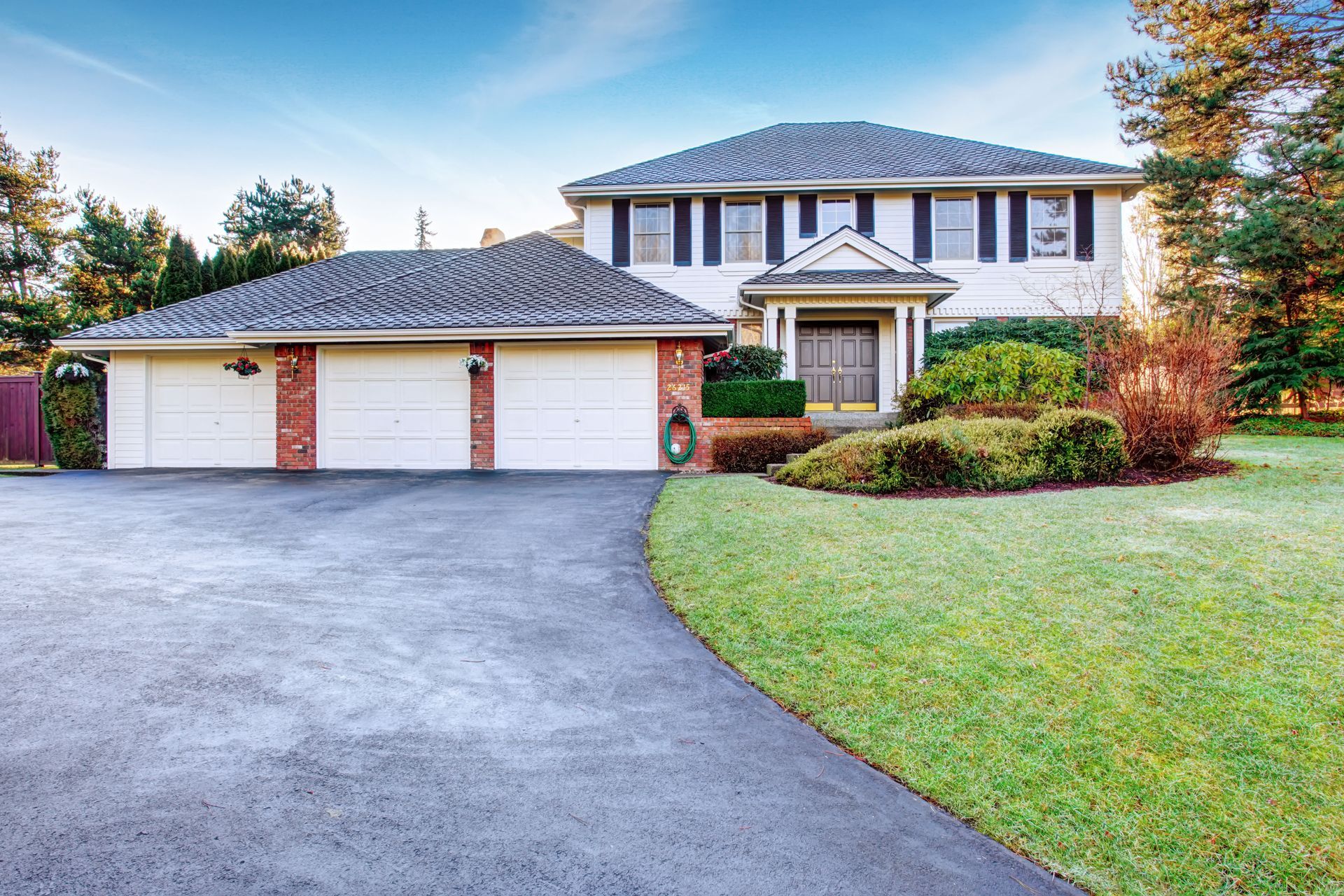
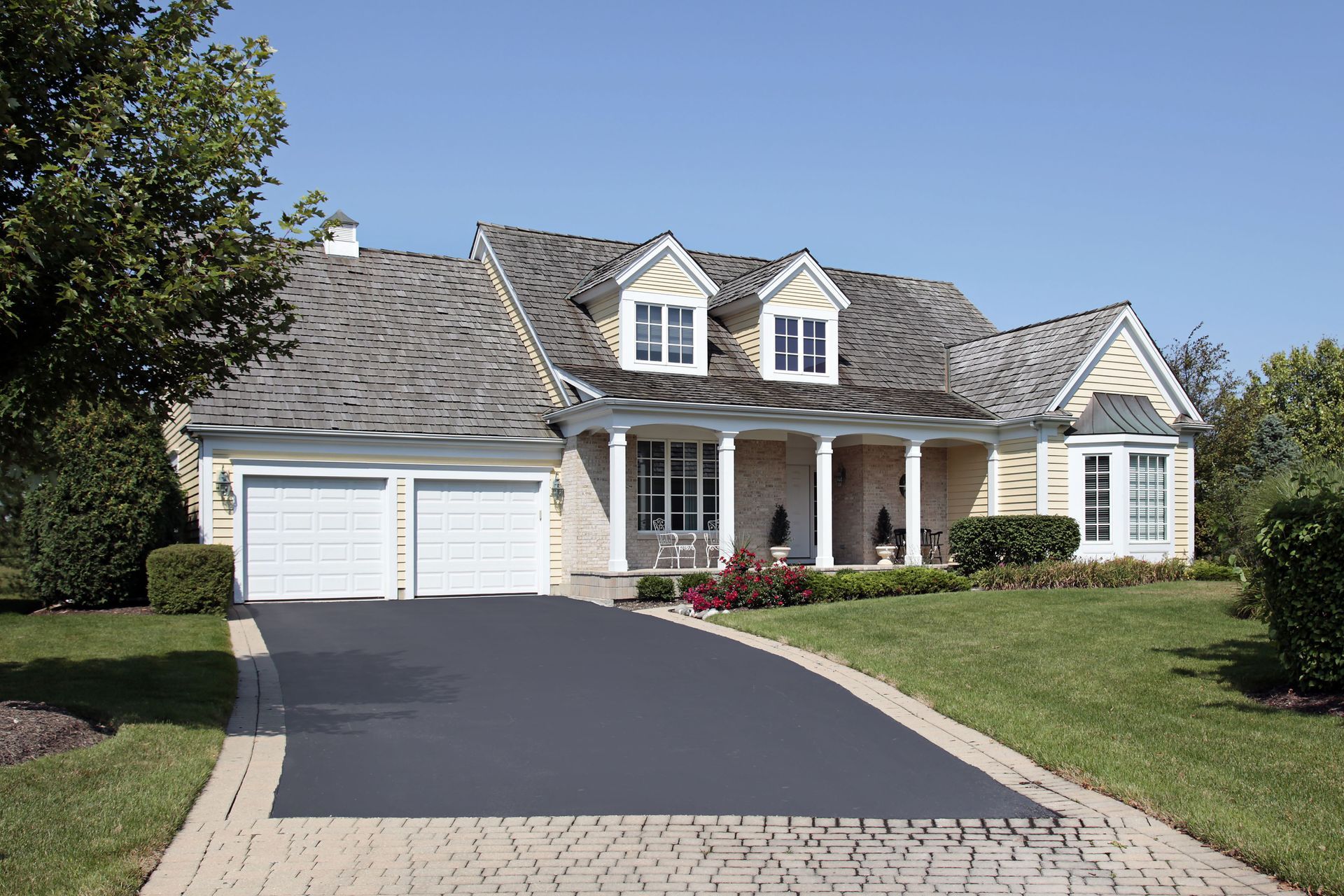
Sealcoating is a vital maintenance practice that provides a protective layer over pavement surfaces, enhancing durability and appearance. A paving company applies sealcoating to help protect against oil exposure, UV damage, and water infiltration. This layer also improves surface flexibility and helps maintain a consistent finish over time.
The primary goal of sealcoating is to extend pavement lifespan by reducing exposure to environmental stressors. A paving company typically recommends this process as part of a regular maintenance cycle. By limiting water penetration, sealcoating helps reduce freeze-thaw damage that leads to cracking. It also delays the need for more extensive resurfacing work.
According to This Old House, you should allow the sealer to dry completely before use (usually 24 hours).
Timely Crack Filling and Patching
Identify Types of Pavement Cracks and Their Causes
Pavement cracks are common occurrences that can arise from various underlying causes. Thermal cracking, fatigue cracking, and reflective cracking are among the most frequent types affecting pavements. A paving company evaluates crack patterns to determine the most effective repair approach. Thermal cracks emerge due to temperature variations that cause expansion and contraction in the surface.
Each type of crack affects pavement longevity in different ways, highlighting the need for targeted maintenance strategies. A paving company often uses crack sealing or patching depending on severity and cause. Recognizing crack type plays a vital role in developing an effective maintenance plan. Early intervention helps prevent moisture infiltration and further deterioration.
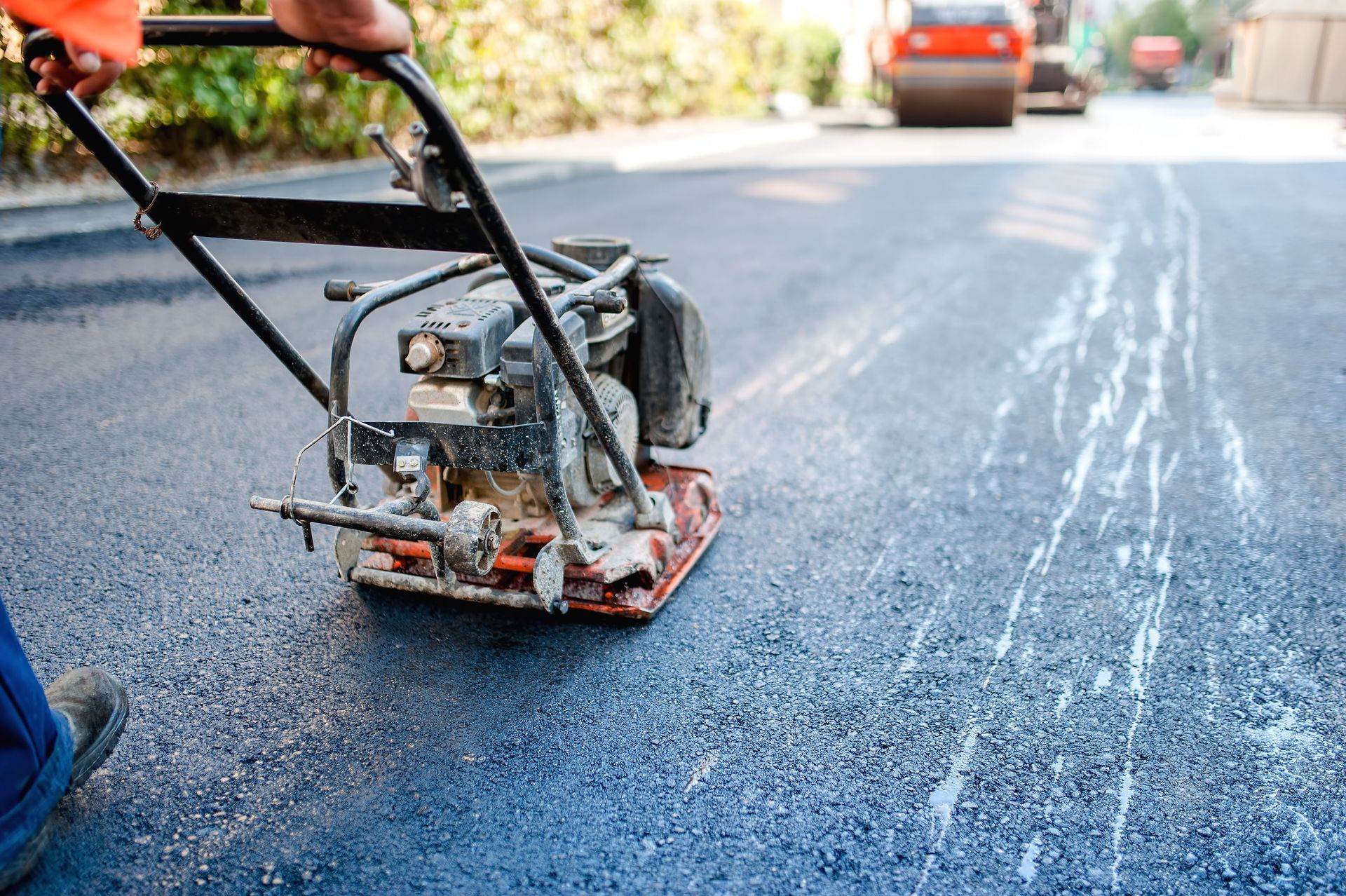
Addressing pavement cracks promptly is essential to prevent further deterioration and moisture infiltration. Crack sealing and filling are standard practices used by a paving company to reinforce surface integrity. Proactive crack management helps extend pavement lifespan and maintain performance. These methods also help reduce the likelihood of more extensive repairs later on.
Effective Drainage System Management
Maintain Effective Drainage Systems
Efficient drainage systems are fundamental to maintaining pavement health, as they prevent water accumulation that can lead to structural damage. A paving company considers drainage performance a key factor in long-term pavement durability. Poor drainage allows water to infiltrate pavement layers, accelerating freeze-thaw damage and weakening the surface.
Designing effective drainage systems requires consideration of topography, water flow, and environmental conditions. A paving company evaluates these conditions to reduce standing water and surface damage. Signs such as pooling water often indicate drainage issues that require correction. Proper maintenance helps preserve long-term pavement stability.
Strategic Pavement Resurfacing Options
Recognize Indicators That Resurfacing is Needed
Identifying the right time to resurface pavement is important for maintaining structural integrity. Indicators include widespread cracking, potholes, and surface wear that compromise usability. A paving company evaluates these conditions to determine whether resurfacing is appropriate. When deterioration reaches a certain level, resurfacing becomes necessary to restore performance.
Professional evaluation is essential in determining when resurfacing is appropriate. A paving company uses condition assessments to guide timing and scope of work. Timely resurfacing helps reduce the need for more extensive repairs later on. Regular inspections support informed decision-making for surface renewal.
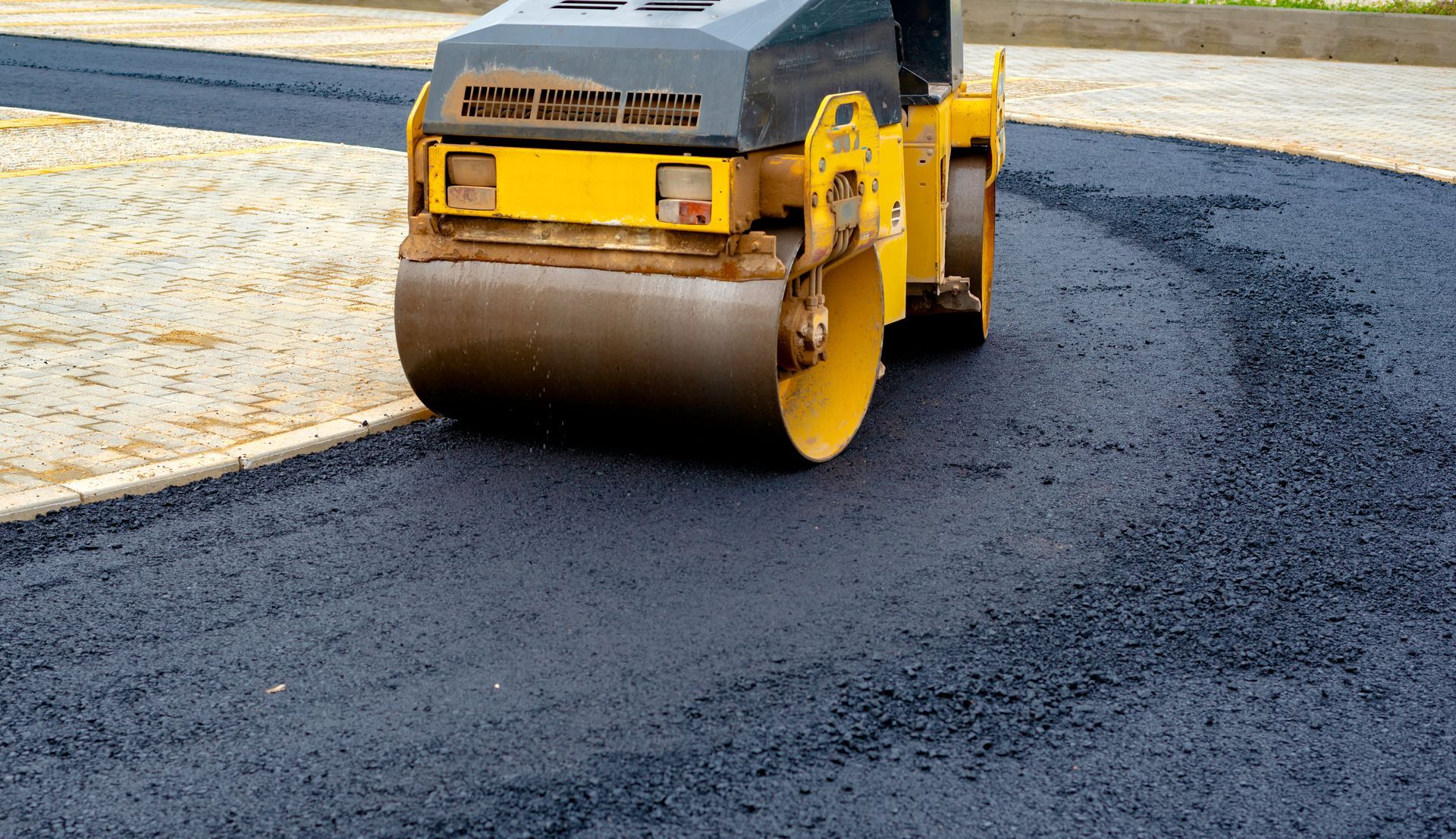
Resurfacing restores the surface layer while reinforcing overall durability. A paving company considers traffic load, age, and environmental exposure when recommending resurfacing solutions. This process helps extend pavement service life. It also improves surface consistency and usability.
Implementing a well-rounded pavement maintenance strategy is one of the most effective ways to extend surface lifespan while supporting safety and everyday usability. Routine inspections, sealcoating, crack repair, and drainage management all work together to help pavement hold up better over time.
Staying ahead of maintenance needs also helps reduce the likelihood of more extensive deterioration and unexpected repair costs. Taking a proactive approach supports both the performance and appearance of paved surfaces, keeping them in better condition for longer.
For more information on available services and how ongoing care can support property performance, learn more with Thomas Asphalt & Concrete.