The Importance of Hiring Licensed Paving Contractors
A well-constructed paved surface does more than create a smooth place for vehicles and pedestrians. Driveways, parking areas, private roads, and other paved surfaces contribute to accessibility, appearance, drainage, and the overall functionality of a property. Because these surfaces are constantly exposed to vehicle traffic, changing weather, moisture, and other environmental conditions, the quality of the original installation can have a significant effect on how well the pavement performs over time.
Hiring licensed paving contractors gives property owners access to professionals who understand the materials, equipment, preparation requirements, and construction practices involved in paving work. Licensing also provides an additional level of accountability because contractors must operate according to applicable requirements within their jurisdiction. Rather than viewing paving as simply placing material over an existing surface, experienced professionals evaluate the conditions that influence the finished pavement.
Professional installation can also help property owners make informed decisions about materials and project expectations. Different properties present different challenges, and an approach that works well for one location may not be appropriate for another. By working with qualified professionals, property owners can better understand how site conditions, intended use, and long-term maintenance needs should influence a paving project.
Protecting the Property Through Proper Preparation
The visible pavement is only part of a successful paving project. What happens beneath the finished surface can be equally important. Soil conditions, grading, drainage, and base preparation all influence whether pavement remains stable or begins developing problems prematurely. When these underlying factors are overlooked, even high-quality surface materials may eventually show signs of deterioration.
Licensed paving contractors understand the importance of evaluating the site before paving begins. They can identify conditions that may affect stability and determine how the surface should be prepared for its intended use. Proper preparation helps create a foundation capable of supporting regular traffic while reducing unnecessary movement beneath the pavement.
Drainage deserves particular attention because standing or improperly directed water can contribute to pavement damage. Water may penetrate vulnerable areas, weaken supporting materials, or increase deterioration as environmental conditions change. Professional contractors consider how water moves across and around the paved area so that drainage concerns can be addressed as part of the overall project.
Careful preparation can also contribute to a more uniform finished appearance. When the underlying surface is properly graded and compacted, the pavement has a more stable foundation. This can help reduce irregularities and create a surface that performs more consistently throughout the property.
Improving the Results Through Professional Experience
Paving projects require knowledge that extends beyond operating heavy equipment. Contractors must understand how materials behave, how site conditions affect installation, and how to coordinate different phases of the work efficiently. Professional experience allows crews to recognize potential concerns before those issues become more difficult or expensive to address.
Experienced paving contractors can evaluate how a surface will be used and adjust their approach accordingly. A residential driveway may experience different demands than a commercial parking area or access road. Traffic patterns, vehicle weight, drainage, surrounding structures, and existing pavement conditions can all influence project planning.
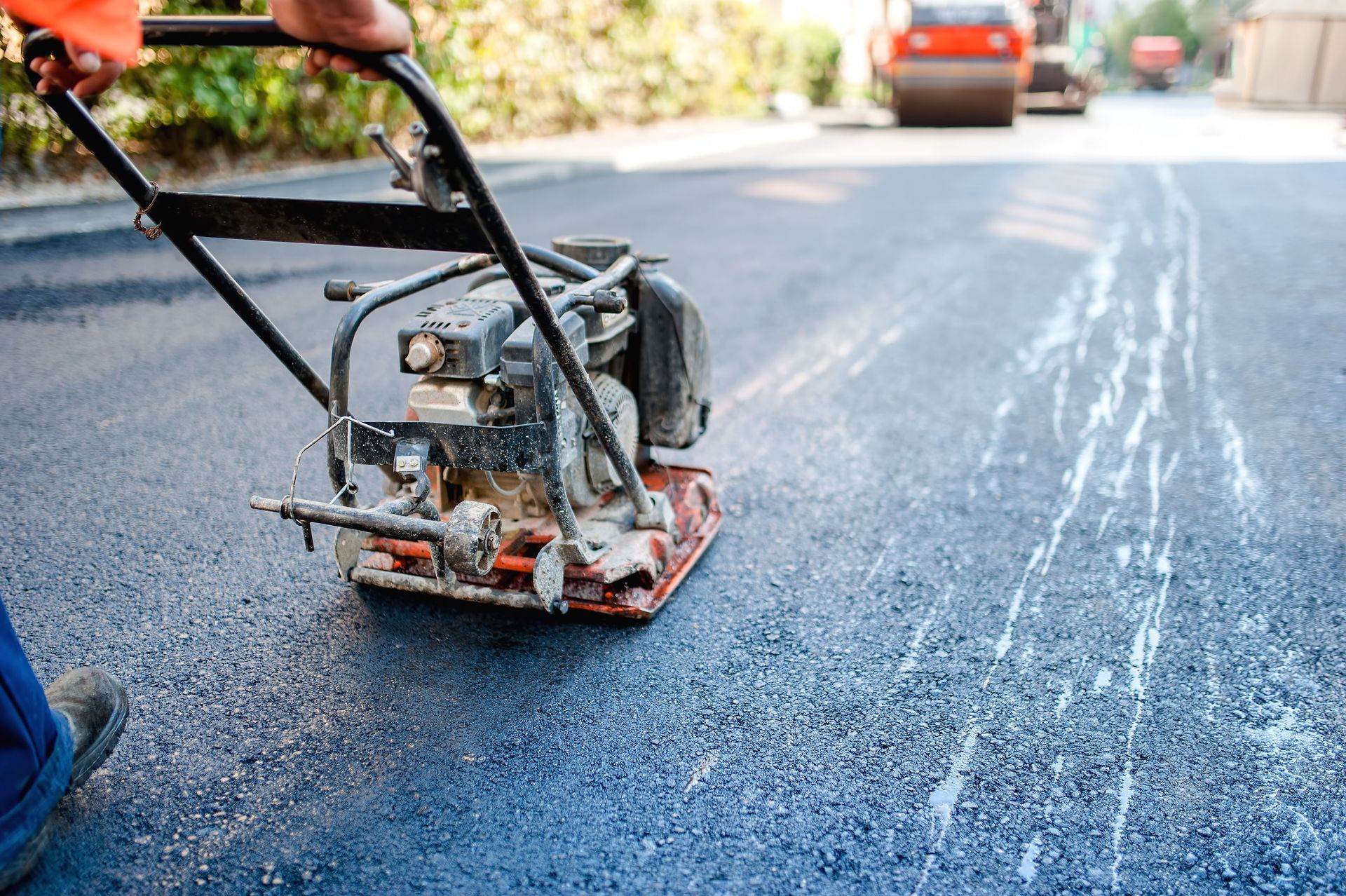
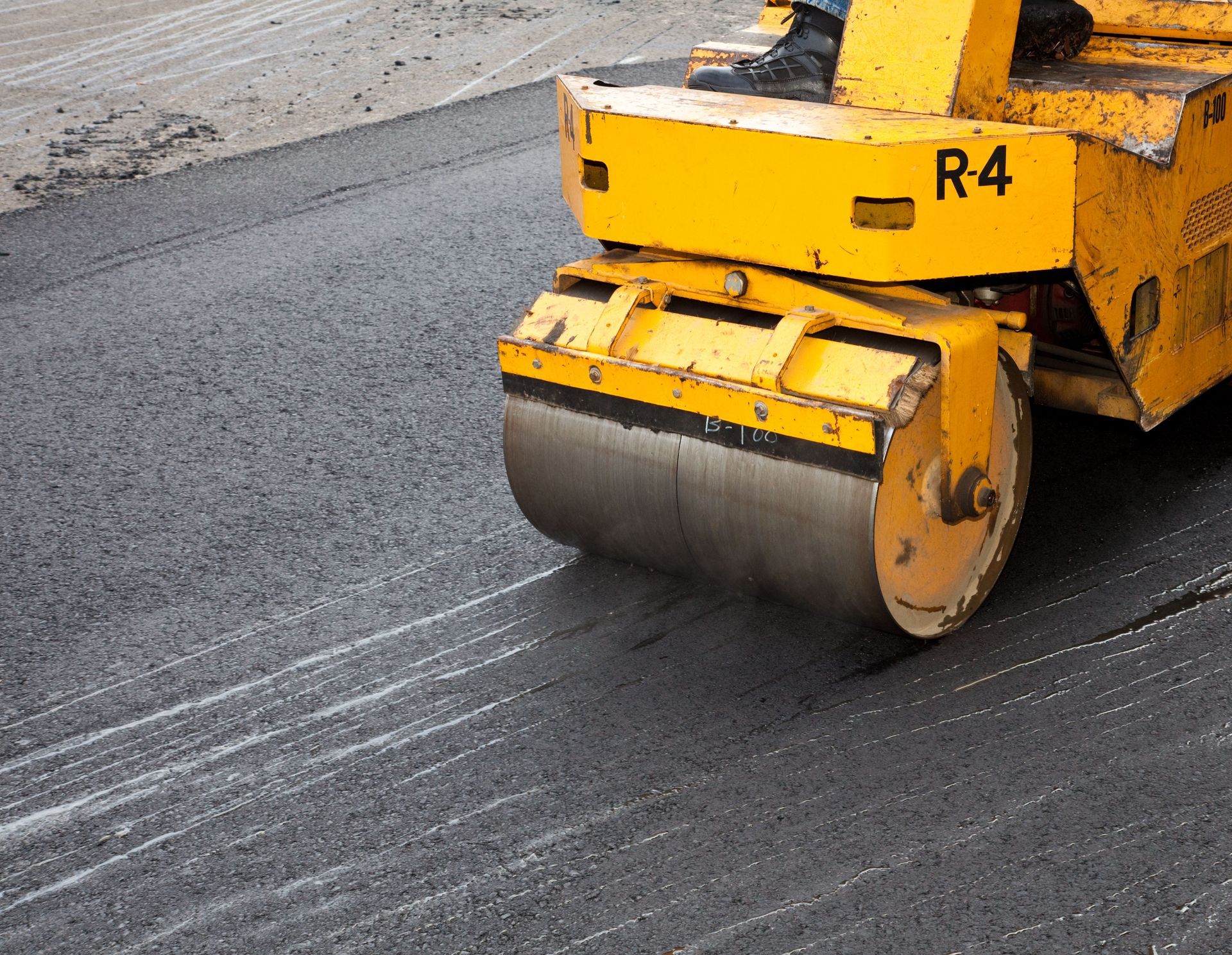
Professional crews also understand the importance of timing and coordination. Paving materials must be handled appropriately throughout installation, and equipment needs to be used effectively to create a consistent surface. A contractor familiar with these requirements can manage the work in a way that supports both appearance and durability.
Reducing the Risks Through Licensing and Accountability
Licensing provides property owners with an important way to distinguish established professionals from individuals who may not meet applicable requirements. Although licensing requirements vary by location, the process generally creates standards that contractors must satisfy before legally performing certain types of work. This can provide greater confidence when selecting someone to work on a valuable property.
Working with licensed paving contractors also creates clearer expectations regarding professional responsibility. Established contractors are more likely to provide organized project information, explain the scope of work, and communicate about materials and site conditions. This transparency helps property owners understand what is included before work begins.
Accountability becomes especially important when questions arise during a project. Property owners should be able to communicate with the contractor responsible for the work rather than dealing with an informal crew that may be difficult to contact afterward. A legitimate professional operation provides a clearer point of responsibility throughout the project.
Supporting the Investment Through Quality Workmanship
Paving can represent a meaningful investment in a property, which makes workmanship especially important. A properly installed surface can improve everyday access, create a cleaner appearance, and help the property function more effectively. Poor workmanship, by comparison, may lead to premature deterioration that requires additional attention sooner than expected.
The potential value of quality paving becomes clearer when considering the expected performance of asphalt. According to Today's Homeowner, a newly installed asphalt driveway can remain usable for up to 25 years and may deliver a 100% return on investment. Those potential benefits make careful installation and appropriate ongoing care important considerations for property owners.
Qualified paving contractors understand that durability depends on more than the paving material itself. The condition of the base, compaction, drainage, surface consistency, and surrounding environment can all influence long-term performance. Addressing these elements as part of a complete project can help property owners receive greater value from their investment.
Maintaining the Surface Through Long-Term Planning
A paving project should be considered in terms of its entire service life rather than only how the surface looks immediately after installation. Even properly constructed pavement is exposed to traffic, sunlight, moisture, temperature changes, and everyday wear. Over time, these conditions can gradually affect the surface and create maintenance needs.
Professional paving contractors can help property owners understand what to expect as pavement ages. This includes recognizing that small changes in surface condition do not necessarily mean the pavement has failed. Instead, routine evaluation and timely professional maintenance can help address developing concerns before they become more extensive.
Long-term planning is especially important for commercial properties, where paved surfaces may experience frequent traffic and contribute directly to customer, employee, and delivery access. Keeping those areas functional can help prevent unnecessary disruptions. Residential property owners can also benefit from understanding how regular use and environmental exposure affect their driveways.
Choosing the Right Professional for the Project
Selecting a contractor requires more than comparing estimates. Property owners should consider whether a company has appropriate licensing, relevant paving experience, clear communication practices, and a professional approach to project planning. Understanding what a contractor intends to do can make it easier to compare proposals based on the actual scope of work rather than cost alone.
Reliable paving contractors should be able to discuss the condition of the project area and explain factors that could affect the work. Clear communication helps establish realistic expectations and gives property owners an opportunity to understand how preparation, materials, drainage, and intended use influence the project.
Property owners should also pay attention to how thoroughly a contractor evaluates the site. A paving proposal that does not account for existing conditions may leave important questions unanswered. Taking the time to assess the property demonstrates that the contractor is considering more than the visible surface.
Recognizing the Benefits of a Professional Approach
Pavement plays an important role in how a property looks, functions, and accommodates everyday traffic. Because the finished surface depends heavily on preparation and installation quality, choosing qualified professionals can have lasting consequences. Proper grading, drainage considerations, material handling, compaction, and project planning all contribute to the final result.
Licensed paving contractors bring professional knowledge and accountability to these responsibilities. Their experience allows them to evaluate individual site conditions, anticipate potential challenges, and complete work with attention to both immediate appearance and long-term performance. For property owners, this can mean greater confidence in an investment that may remain part of the property for many years.
When pavement needs installation, replacement, or professional attention, working with an experienced company can help ensure that important details are considered from the beginning. At Thomas Asphalt And Concrete, we can evaluate your paving needs, discuss the condition of your property, and help determine an appropriate approach for the project. Contact us to learn more about our services and how we can help you plan your next paving project.