The Benefits of Hiring Local Paving Contractors for Residential Projects
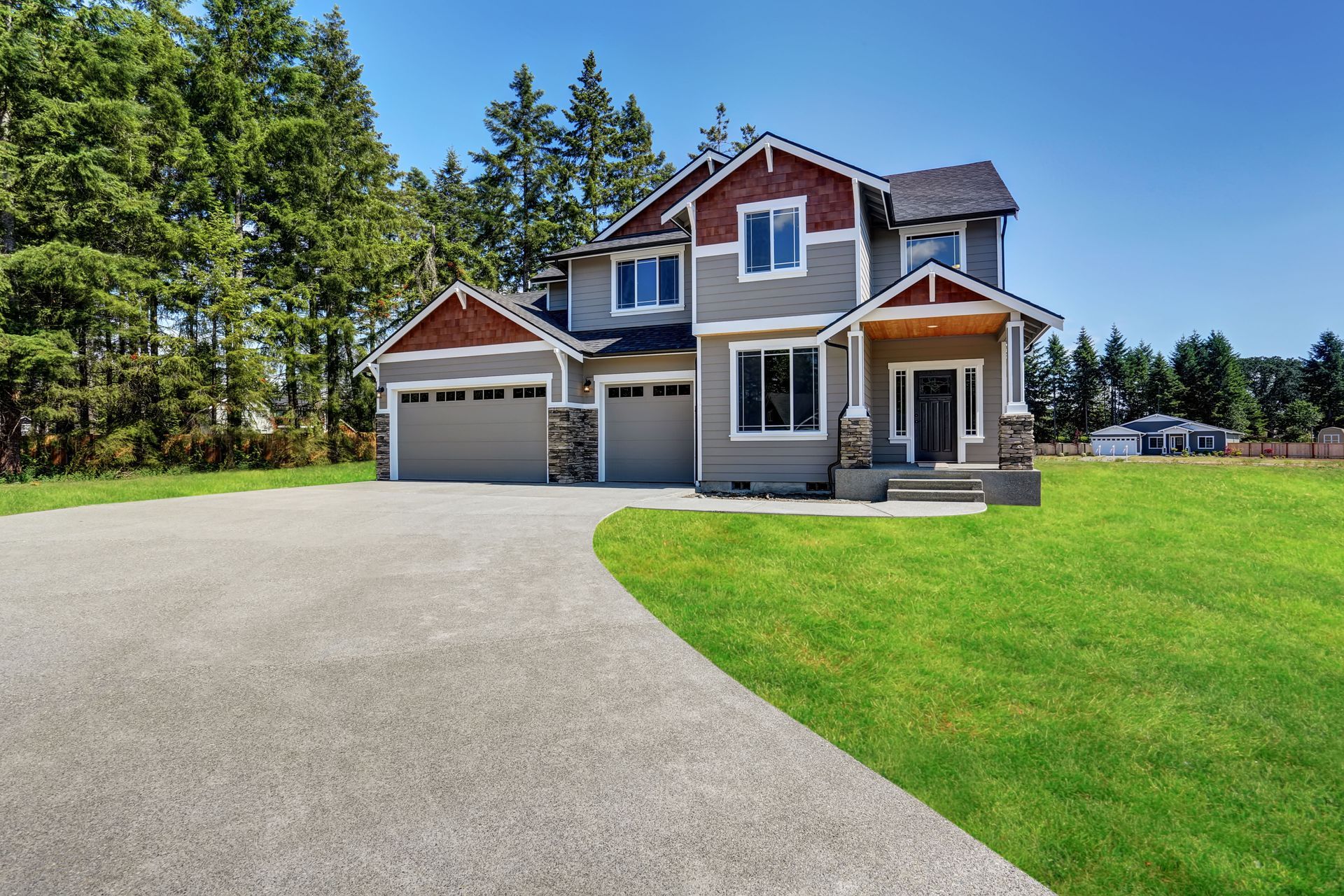
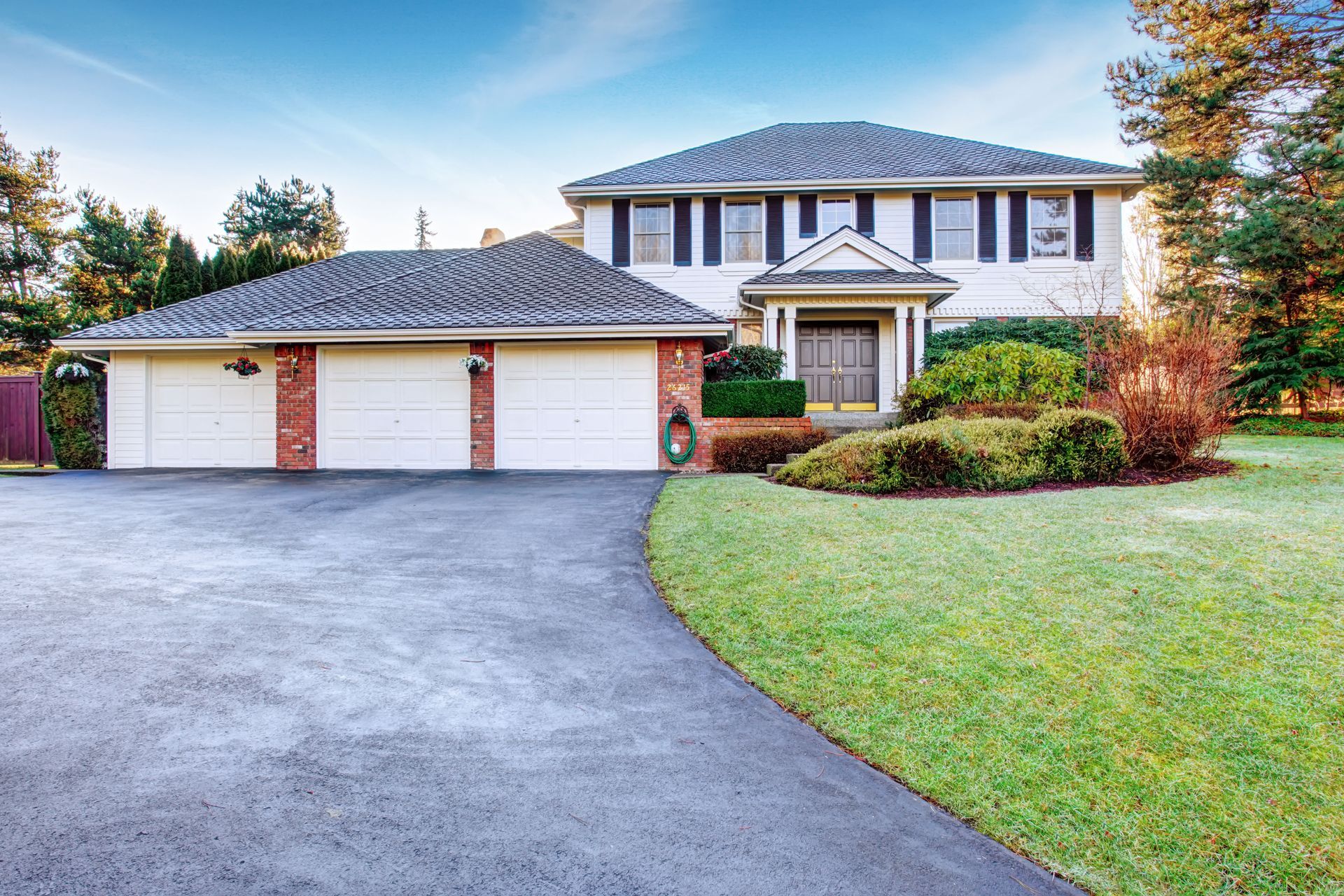
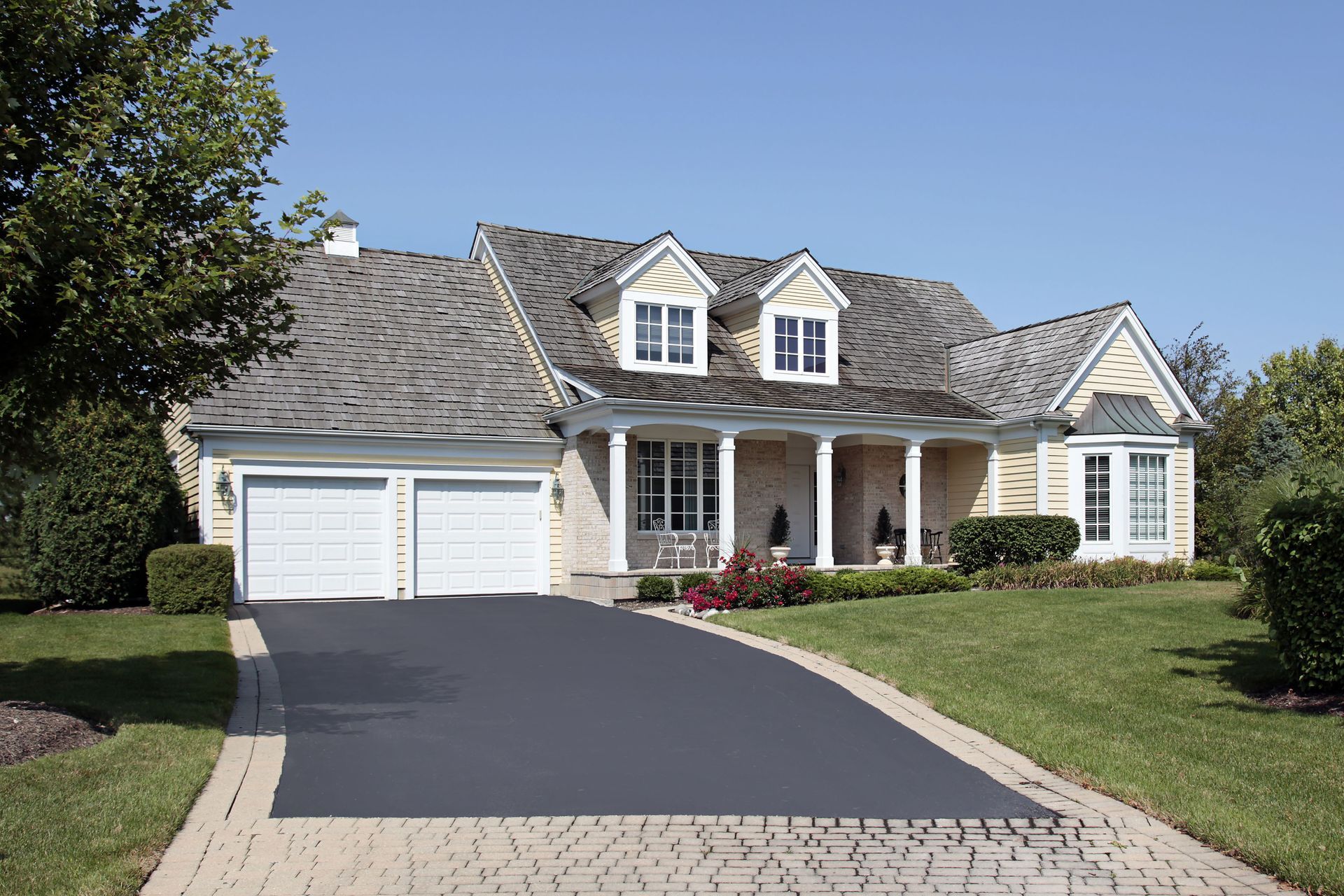
A home’s driveway is often the very first feature visitors, neighbors, and prospective buyers notice. Beyond framing the property's exterior architecture, a smooth, well-engineered surface safeguards vehicle suspensions, keeps rainwater moving away from structural foundations, and elevates overall property valuation. However, when faced with sunken asphalt, spreading cracks, or an outdated gravel path, homeowners confront a critical decision: should they bring in an out-of-town chain, hire a roving crew offering door-to-door surplus discounts, or contract a company rooted in their immediate vicinity? While nationwide franchises rely heavily on standardized playbooks and generic quotes, residential hardscaping requires granular, regional problem-solving. Selecting established neighborhood paving contractors guarantees homeowners deep geographical expertise, immediate logistical flexibility, and long-term craftsmanship built to withstand the exact environmental stresses of the local area.
Navigating Regional Soil and Climate Conditions
Pavement performance depends heavily on what lies beneath the surface rather than simply the final top layer of asphalt or concrete. Subsurface geology varies drastically across short geographical distances; expansive clay, silty loams, and moisture-retaining soils react completely differently to seasonal shifts compared to well-draining, gravel-rich ground. In regions that endure sharp winter temperatures, ground frost penetrates deep into the soil profile. Trapped moisture expands as it freezes, exerting violent upward pressure that fractures improperly laid surfaces. Come springtime, the thaw cycle softens the underlying soil, creating empty voids that buckle beneath vehicular traffic and manifest as potholes or spiderweb cracking.
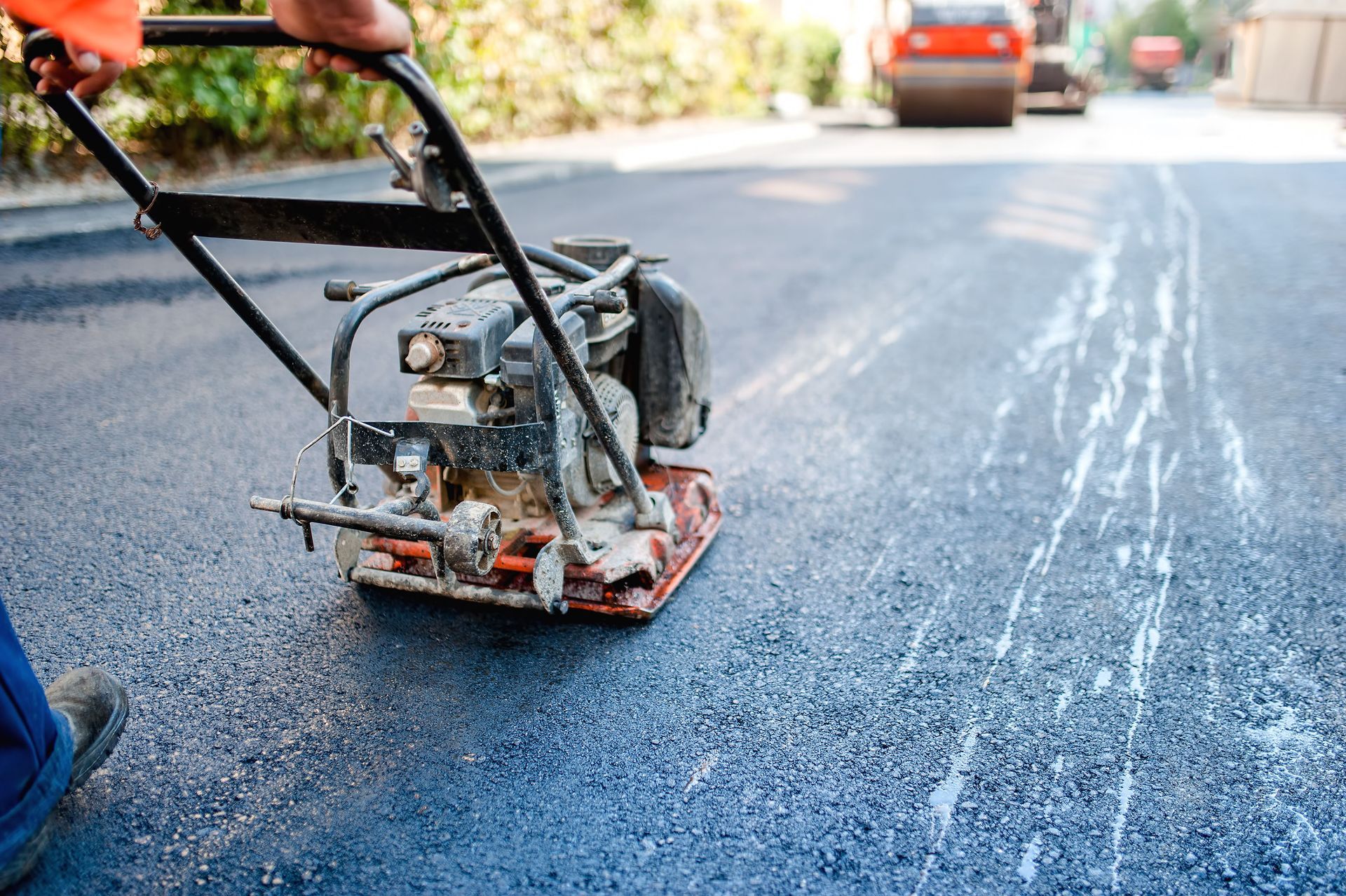
Preventing structural failure demands comprehensive ground excavation and customized aggregate compaction tailored to the immediate neighborhood's terrain. According to This Old House, you will need to excavate to the required depth (typically eight to 12 inches) to build a robust structural foundation that will not sink or rut over decades of seasonal weathering. Understanding whether an individual plot requires a standard sub-base or a reinforced aggregate layer with geotextile stabilization fabric requires first-hand experience in the local microclimate. Reputable paving contractors bring decades of localized dirt experience directly to your job site, knowing precisely how deep to cut and which gravel mixes compact best against the neighborhood's unique soil compositions.
Understanding Municipal Codes and Permit Procedures
Residential hardscaping projects rarely involve solely subjective aesthetic decisions; they fall under rigorous municipal oversight and statutory land-use standards. Local jurisdictions strictly regulate impervious surface ratios to avoid overtaxing municipal storm sewer infrastructure during torrential downpours. Furthermore, projects touching street aprons, sidewalks, or property easements require specialized permits, right-of-way permissions, and ADA-compliant slope considerations. Failing to pull proper permits or misinterpreting local setback mandates can lead to municipal stop-work orders, steep non-compliance fines, or court mandates to rip out freshly poured pavement.
Navigating municipal building departments, conservation commissions, and neighborhood homeowner associations presents a complex web of paperwork for homeowners attempting self-coordination. Because dedicated paving contractors pull permits week in and week out within your township, they possess an intimate knowledge of local zoning thresholds, stormwater mitigation bylaws, and inspection routines. They prepare and submit compliant site schematics before work commences and schedule inspectors at precise intervals during excavation and compaction phases. This regulatory fluency eliminates bureaucratic headaches, protects homeowners from liability issues, and prevents costly municipal infractions that out-of-town crews frequently overlook.
Providing Faster Response Times and Reliable Scheduling
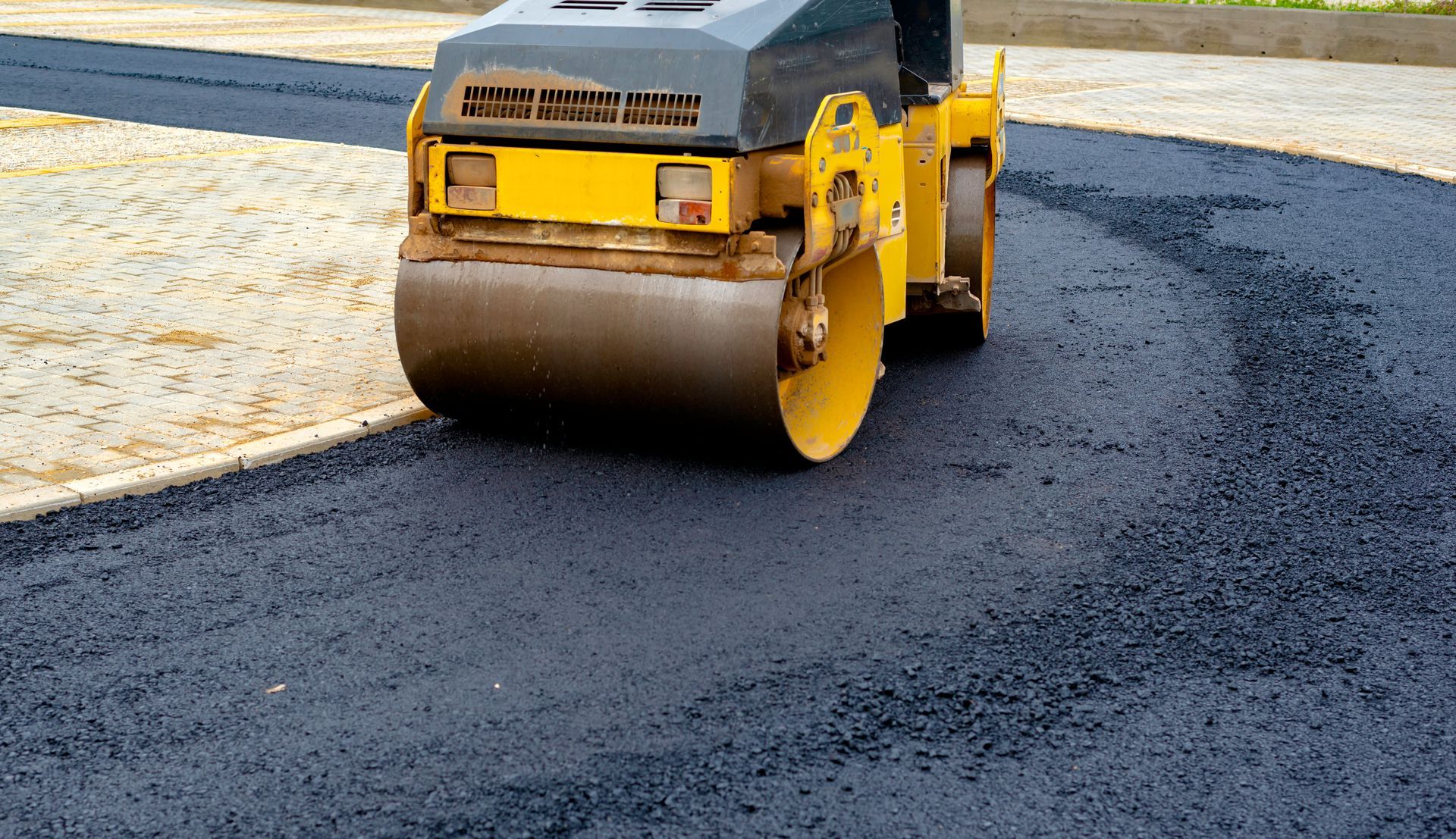
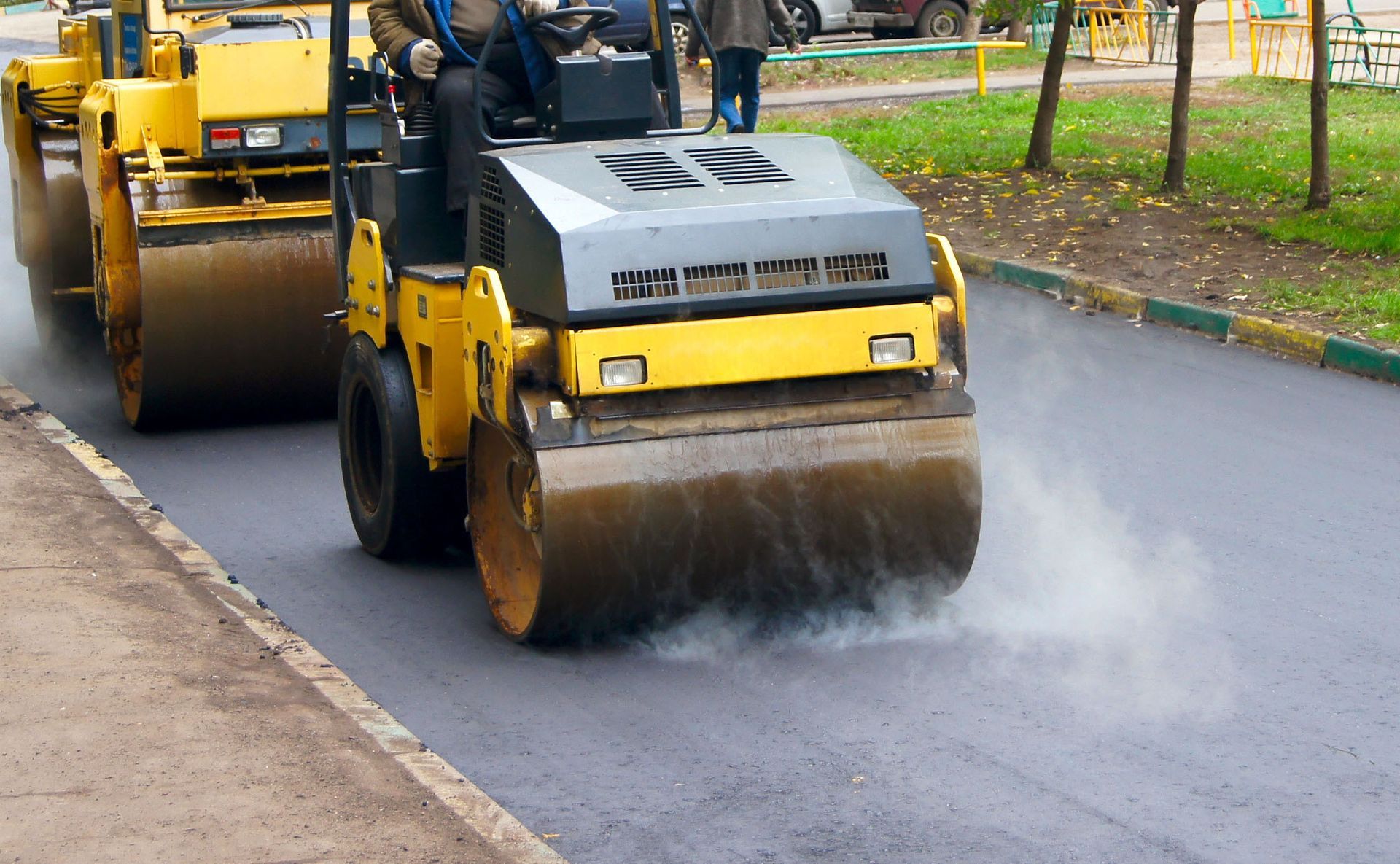
Time and distance dictate the reliability of home improvement construction schedules. Heavy paving operations require massive machinery, including skid steers, heavy vibratory rollers, milling machines, and tri-axle dump trucks. Mobilizing this equipment across county lines or through congested metropolitan highway systems creates unpredictable delays. If a long-distance crew encounters transit delays or logistical bottlenecks, your scheduled installation window slips, leaving properties torn up and open to sudden weather damage.
Working with nearby operations eliminates these frustrating mobilization hurdles. Operating out of local staging yards, paving contractors maintain short transit times, ensuring crews arrive promptly on the scheduled installation morning with all heavy machinery in place. Beyond initial scheduling, geographical proximity translates into responsive customer communication. If an unusual ground settling event occurs after installation, or if you require an urgent site walk-through to finalize grading details, a local professional can visit your home within hours rather than weeks. Proximity breeds personal accountability; you are never relegated to a regional customer service queue or left wondering when a traveling crew will cycle back through your district.
Reducing Material Hauling and Overhead Costs
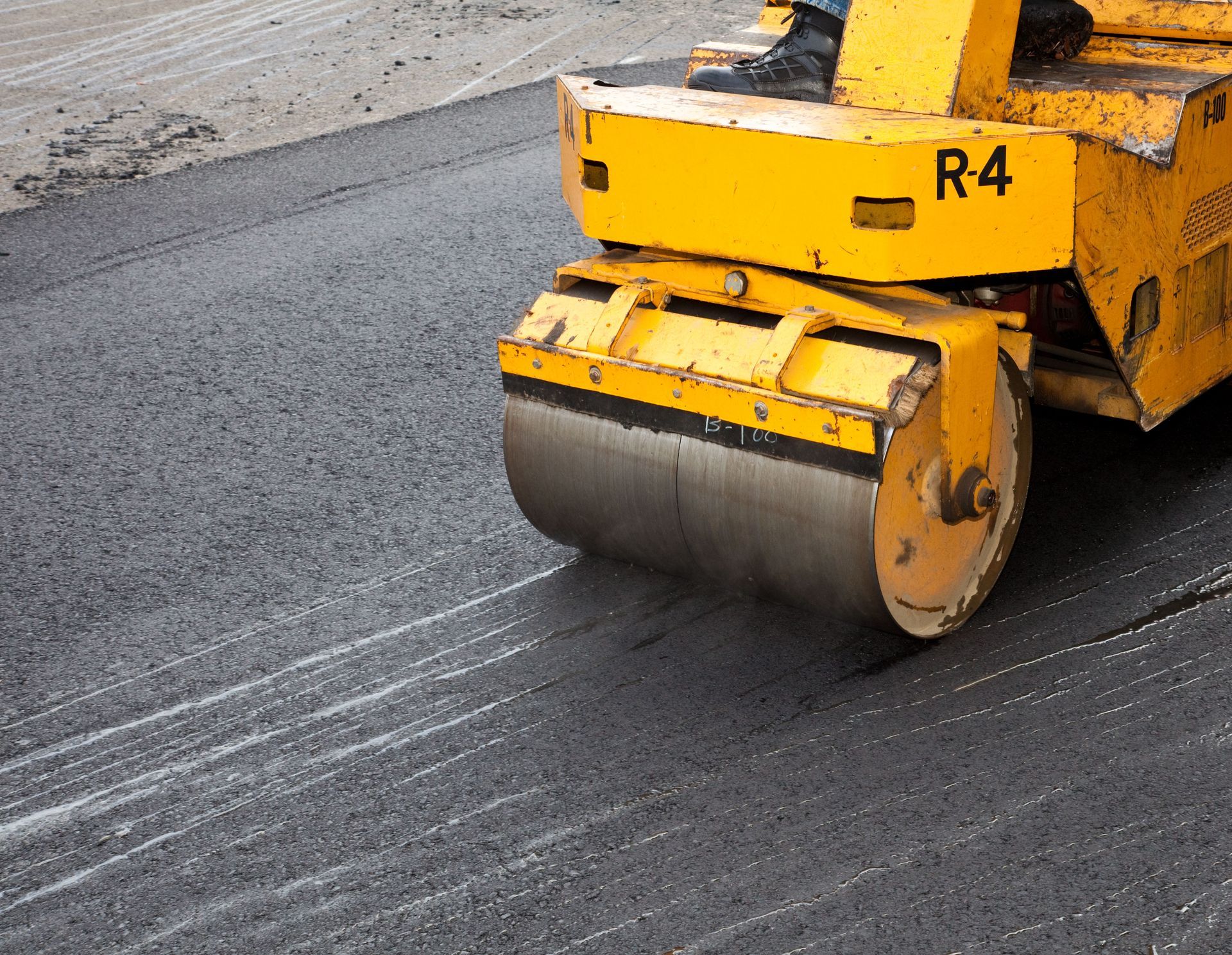
The raw physics of paving materials—particularly hot-mix asphalt—place strict logistical boundaries on quality installations. Hot-mix asphalt leaves production facilities at high temperatures. To achieve optimal density and tensile strength, crews must spread and roll the material before it cools below its critical workable threshold. If asphalt sits in a haul truck through an extended cross-county highway transit, it develops cool outer crusts and experiences aggregate segregation, resulting in uneven compaction, surface honeycombing, and premature raveling.
Established neighborhood companies minimize haul times by sourcing their aggregate bases and binders directly from neighboring quarries and localized batching plants. Because local paving contractors keep their supply lines short and compact, the asphalt arrives on-site piping hot and ready for smooth, uniform compaction. These streamlined transit routes also generate substantial economic benefits for the homeowner. Long hauls require higher fuel surcharges, extended driver labor hours, and steep equipment transport fees—costs that distant competitors routinely bake into their pricing. Choosing an operation embedded within the regional supply ecosystem cuts unnecessary transport overhead, directing every dollar of your budget directly into material thickness, base density, and structural longevity.
Delivering Personalized Service and Local References
A reliable pavement installation represents an investment intended to endure for twenty years or longer. When evaluating bids, marketing brochures and internet landing pages can never replace real, tangible proof of past performance. National aggregators and transient paving operations often rely on stock photography and regional sales pitches, disappearing across state borders as soon as the check clears. If surface defects, settling dips, or water retention problems appear after the first heavy downpour, reaching traveling operators frequently becomes an exercise in frustration.
Local business survival hinges on authentic community standing, direct word-of-mouth recommendations, and neighborhood goodwill. Professional paving contractors take immense pride in their craftsmanship because their reputation is tied directly to the streets they live on and navigate daily. They can readily supply you with physical street addresses within your own neighborhood, enabling you to inspect driveways completed five, eight, or twelve years ago to verify how their work stands up to the elements. This visible portfolio, combined with accessible brick-and-mortar office locations and established community roots, guarantees that your project receives the meticulous care, superior materials, and continuous warranty support it deserves.
Securing Long-Term Value for Your Property
Installing a residential driveway is an engineering upgrade that protects your home's infrastructure and enhances its long-term market appeal. From navigating regional frost depths and variable soil layers to satisfying strict municipal codes and optimizing asphalt delivery temperatures, local expertise remains irreplaceable. Entrusting your property to verified neighborhood
paving contractors delivers enduring peace of mind, cost-efficient material sourcing, and unmatched craftsmanship that out-of-town operators simply cannot duplicate.
Are you ready to transform your home’s entrance with an expertly engineered, long-lasting surface tailored to local conditions? Call Thomas Asphalt And Concrete today to book your on-site assessment and receive a comprehensive, transparent project estimate. Partner with us to experience the superior service, durable craftsmanship, and community-first reliability that your residential property deserves.